
Tokyo Dreams
Synopsis
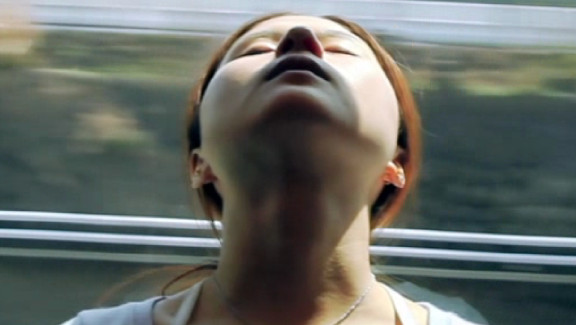
Tokyo Dreams is a short Zen-like film about sleeping commuters on the Tokyo subway.
Shooting without the knowledge of his subjects, director Nicholas Barker contemplates the stillness and vulnerability of his fellow passengers and wonders whether they will wake in time for their stop…
In a departure from candid filmmaking, Tokyo Dreams deploys a highly formal ‘photographic’ film style and extremely high production values.
Details
- Year
- 2013
- Type of project
- Shorts
- Running time
- 9 mins 41 secs
- Format
- HD video
- Director
-
Nicholas Barker
- Producer
- Nicholas Barker
- Editor
- Ray Stevens
- Director of Photography
- Nicholas Barker
Genre
Categories
Production Status
Production Company
Nicholas Barker
E: nicholasbarker@nicholasbarker.comPage updates
This page was last updated on 12th May 2025. Please let us know if we need to make any amendments or request edit access by clicking below.
See also
You may also be interested in other relevant projects in the database.
 Unmade Beds
Director: Nicholas Barker
Year: 1998
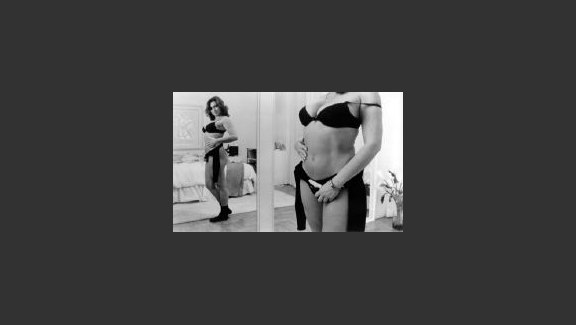
Unmade Beds is a black comedy about vanity and desire in modern America. Set in the sexual jungle of the New York singles scene, two men and two women frantically pursue their impossible dreams. Equipped with ample provisions of self-delusion, misogyny, anti-semitism and homophobia, Brenda, Michael, Aimee and Mikey are on the road to heterosexual fiasco. Barker hired a research staff who combed New York for potential characters. Their search led them deep into the New York singles scene. They attended singles events, played the personals, and ran ads in the back page of the New York Press. Disguised as singles on the prowl, they canvassed bars and cafes in Manhattan's diverse neigh-bourhoods, until they found the 'cast'. Employing his unique brand of 'real-fiction' Barker then directed his 'cast' under feature film conditions during the summer, fall and winter of 1996-97. During this period he wrote and rewrote his script in response to the unfolding events in their lives. 'I'd say 90% of the script was based on the actual behaviour and language of the four principal characters' says Barker. 'The rest is a pack of lies'.
 The Rift
Director: Janire Najera and Matt Wright
Year: 2025
A fulldome dance film set amidst the rich and varied landscapes of Zimbabwe, where performers express the tension, resilience and interconnectedness between people and the natural world under the pressures of climate change. With their movements, the dancers explore the consequences of environmental disruption and the profound ways in which people and nature are intertwined. Through abstract choreography, symbolic imagery and an atmospheric score, the work reflects the planet’s vulnerability, the challenges posed by environmental shifts and the transformative potential of collective effort. As the dancers navigate these ever-changing locations, their movements evoke the escalating consequences of a warming world, capturing both its fragility and the urgent call for action.
 Nazar
Nazar
Director: Lara Habib Kobeissi
Year: 2026
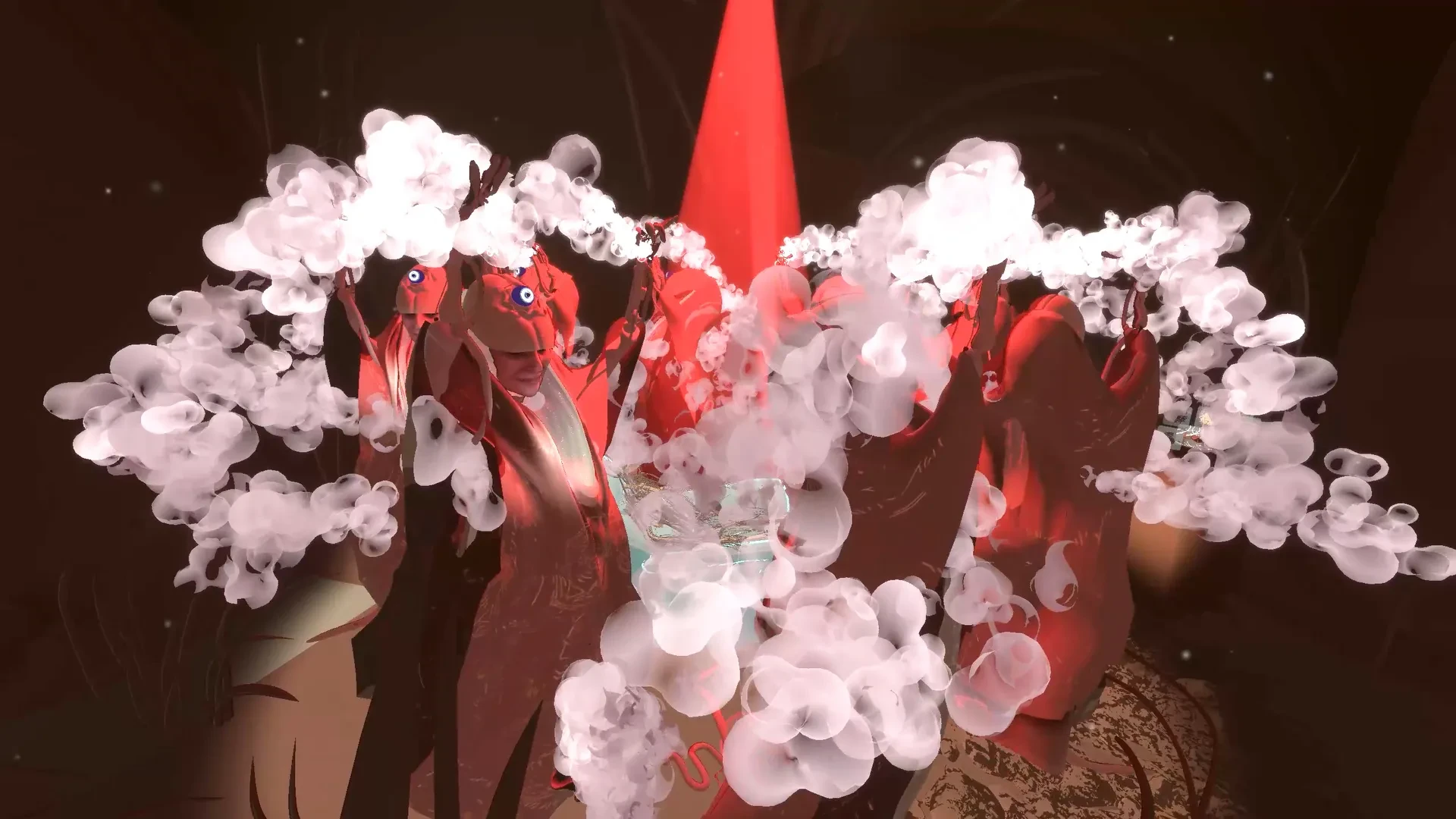
Nazar is a tender, intimate encounter in virtual reality between participant and performer. It unfolds as experiential poetry within evil eye protection sessions shared across decades by the artist and her mother, exploring embodied care, presence and vulnerability. Grand & Impact Prize, NewImages 2026 Official Selection, Embodied Realms 2025 Official Selection, Shubbak Festival 2025