
Modupe
Synopsis
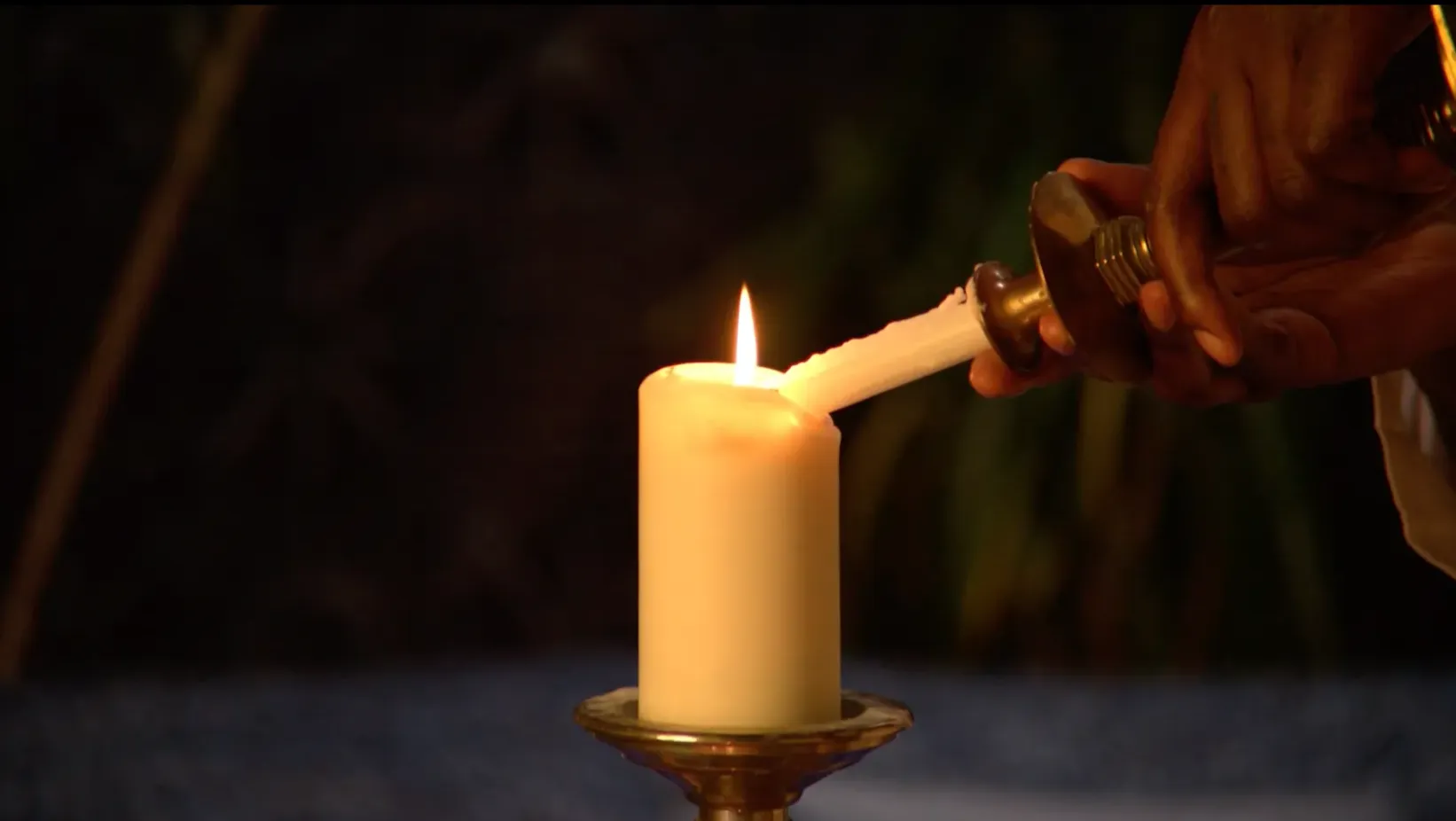
Cinematically, MODUPE moves between a stylised ensemble rehearsal and a sacred library-archive. The ensemble of voice, drum, and dance provides the film’s pulse, collapsing rehearsal and ritual into one. Deep blue light, reflective surfaces, and submerged imagery create a sensorial architecture that is both intimate and expansive, with water presence throughout evoking both flood and transformation.
Formally, the film resists linear storytelling, privileging atmosphere, rhythm, and sonic immersion. Objects, archives, and sacred materials hold the same cinematic weight as bodies in performance, reframing the archive as altar and sound as shrine. Narrative unfolds through resonance rather than resolution, drawing the viewer into a space of listening and reflection. MODUPE proposes cinema as a vessel for inheritance, where identity is fluid, memory is alive and liberation is lived through sound.
Details
- Year
- 2026
- Type of project
- Shorts
- Running time
- 18 min
- Director
-
Evan Ifekoya
- Producer
- Ese Onojeruo
- Executive Producer
- Hannah Bush Bailey
- Editor
- Hannah Oliver
- Screenwriter
- Evan Ifekoya
- Director of Photography
- Morgan Spencer
- Composer
- Eden Alero
- Principal cast
- Ayebainemi Abieyuwa ése, Eden Alero, Evan Ifekoya
- Assistant Director
- Gesiye Souza-Okpofabri
- Focus Puller
- Stephen Ofori
- Gaffer
- Cat Castro
- Spark
- Dean Charles
- MUA
- Blessing Kambanga
- Set Designer
- Rema Kashay
- Production Assistant
- Erin O’Garro
- Production Assistant
- Anna-Maria Tesfaye
- Production Assistant
- Silva Gordon-Valenzuela
- Runner
- Emem Usanga
- Runner
- Nia Fekri
- BTS Photographer
- Puer Deorum
- Sound Engineer
- Joel Bartholemew
- Additional footage
- Evan Ifekoya, Hannah Oliver
- Narrator
- Evan Ifekoya
- Sound Mix and Master
- Kiera Coward-Deyell
- Recording Studio
- Noatune Studios
Production Status
Production Company
Supported by Made of Truth: BFI Doc Society Short Film Fund
Artarche Production
Ese Onojeruo52 Nash Road
London
SE4 2QJ
Page updates
This page was last updated on 19th January 2026. Please let us know if we need to make any amendments or request edit access by clicking below.
See also
You may also be interested in other relevant projects in the database.
 Solitude with Schubert
Director: Matilda Hay
Year: 2025
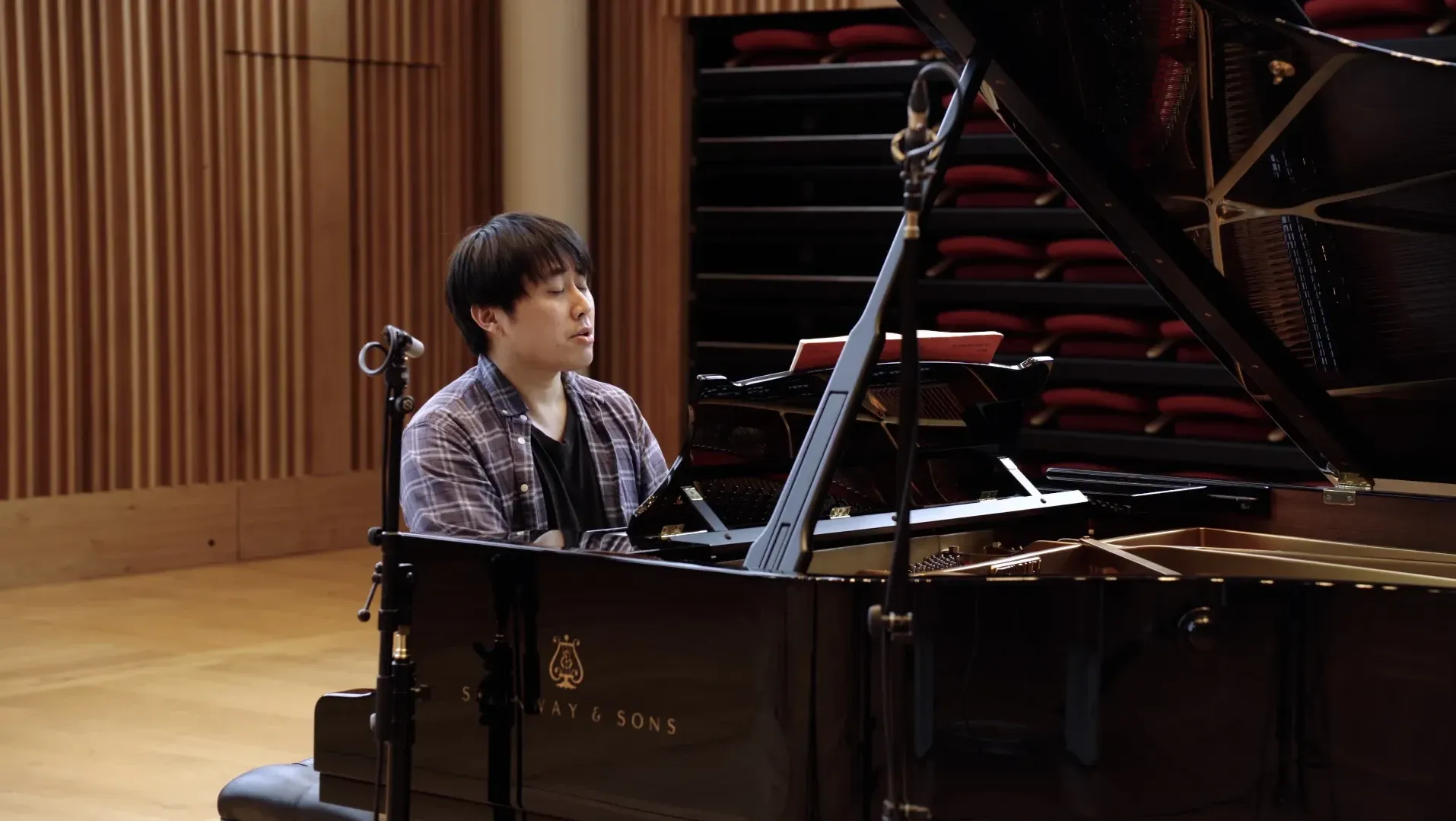
At a time when many people struggle to talk openly about grief, SOLITUDE WITH SCHUBERT asks what role music can play in helping us live alongside loss. The film follows concert pianist George Xiaoyuan Fu as he navigates the death of his father through Franz Schubert's late works. Extending this exploration beyond himself, Fu connects with a hospice bereavement group and performs a recital for them – sharing how music can offer connection, catharsis and solace when words fall short. He then records an album with mezzo-soprano Lotte Betts-Dean, reflecting on how the echoes of those we’ve loved and lost stay with us. It’s an intimate portrait of how art can offer solace and meaning, creating a space for grief to be safely felt, shared and transformed.
 Anak Where Did We Stay?
Director: Sadia Pineda Hameed
Year: 2026
ANAK WHERE DID WE STAY? is a five-channel film by Sadia Pineda Hameed that brings together The Box’s home movie collection and the artist’s personal/family collection. Rasheed Araeen’s chakras, spouting waves, Beatlesmania, a basking shark, hula dance, an Enoch Powell protest, tidal islands and seafoam floating into the air—the archives converge across time to tell the story of the artist’s mother’s migration from one archipelago to another: the Philippines to the British Isles. The film becomes a gathering site for personal and collective experiences of journeys, resilience and belonging. Road trips unexpectedly reenact the archive, footage finds itself out of context, voices commentate the film as if rewatching a home movie together; mimesis, associations and autonomy are central to the retelling. As camcorders became more accessible from the 1970s onwards, home movies were an unconscious means to rebuild personal archives after colonial displacement, extraction and erasure. ANAK WHERE DID WE STAY?, named after the home movie from The Box’s archive 'Perranporth Where Did We Stay?', unfolds as a conversation between the artist and her mother, exploring the three interconnected journeys of migration, holidays and remembering. Produced as part of The Box’s Reimagining the Film Archive programme (BFI Screen Heritage Fund).
 The Song of My Life
Director: Sadia Pineda Hameed
Year: 2020
THE SONG OF MY LIFE takes its audio-visual style from pop karaoke videos, 1970s melodramas and ballads. It is a duet of absences, marked by a missing vocal partner and gaps in the backing track, which comes from a 1971 easy-listening song of the same name by Filipino actress and singer Nora Aunor. Atmospheric and dreamlike, the film weaves together mesmerising images filmed by the artist - light hitting water, waves on the sea, illuminated flowers - with found footage of crushed cars and a TV romance. These visuals shift our attention between what we hear, what we read, what the artist tells us, what her mother cannot directly say, and the silences in between; interested in the gaps in the telling of stories, what she calls the “quiet and misunderstood spaces” where secrets within a family may be sensed or implied. The need to look for meaning in hidden or alternative spaces also arises from living under colonialism, where estrangement between generations is also the consequence of this. Abundant with clues and coded references, THE SONG OF MY LIFE is like experiencing the retelling of a story - each return unearthing more than before.