
Bastion 2017
Synopsis
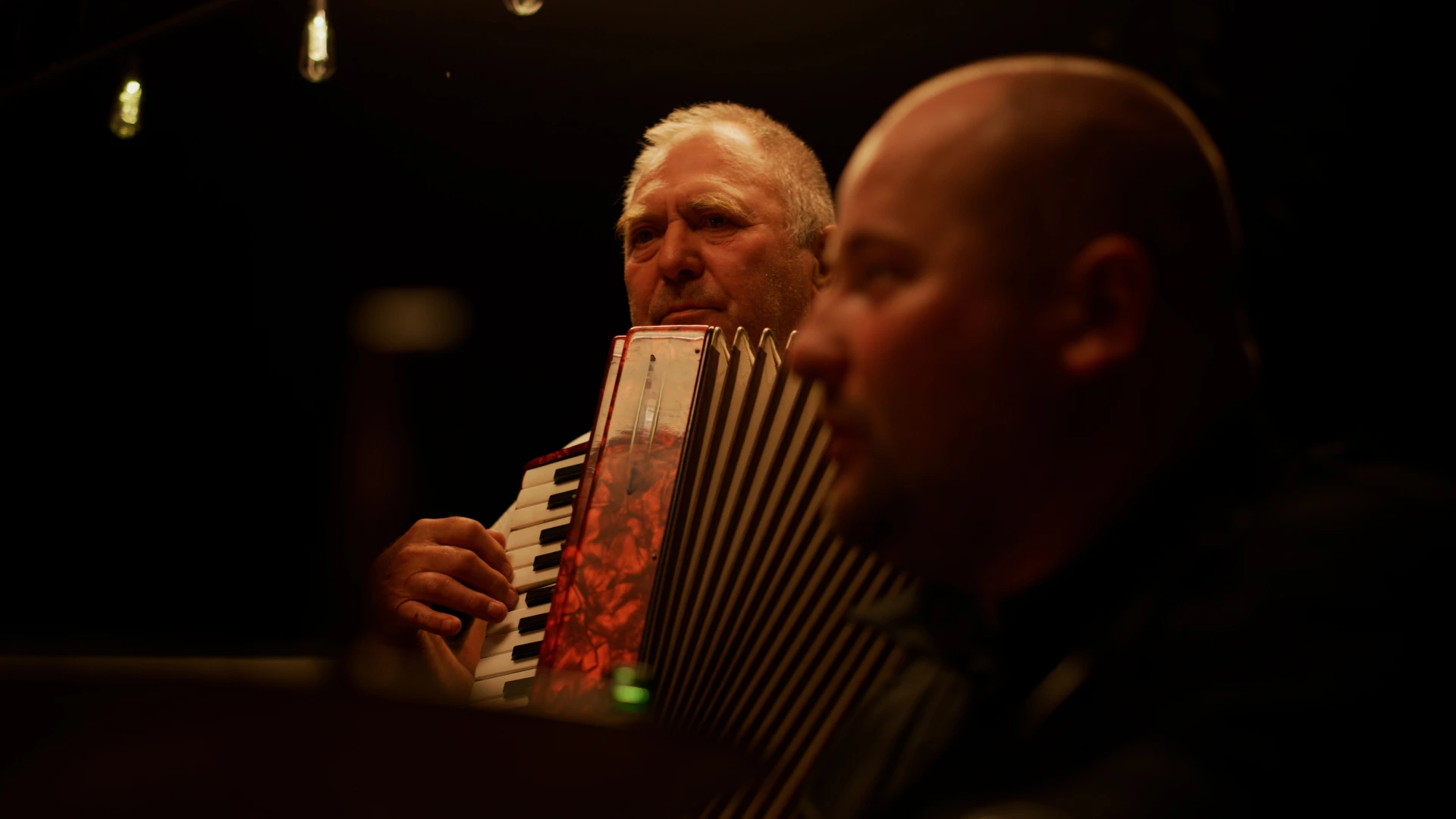
The film follows interconnected characters whose lives are shaped by loyalty, moral dilemmas, and the consequences of their choices.
The story spans five countries - Poland, Japan (in the heart of Tokyo), Myanmar, Ukraine, and the UK (London). It draws on true experiences: the main character spent three years in a martial arts monastery in Japan during his twenties, and a war reporter who was kidnapped during the conflict in Ukraine, prompting a tense rescue mission. These events form the backbone of a story the characters never meant to tell.
Through parallel storylines, BASTION explores the complex web of relationships, conflicting interests, and personal responsibilities that define human behavior. Grounded in realism and driven by authentic characters, the film delivers an intense, emotionally resonant narrative where every decision carries weight.
This drama presents a gripping, uncompromising portrayal of courage, loyalty, and moral choice, revealing the story they never meant to tell and offering a rare glimpse into human experience across continents under extreme circumstances.
Details
- Year
- 2026
- Type of project
- Features
- Running time
- 95 min
- Format
- Primarily 35mm film, with additional footage captured on RED and Blackmagic digital cameras.
- Director
-
Artur Grzeskiewicz, Adrian Grzeskiewicz 1st Feature
- Producer
- Artur Grzeskiewicz Adrian Grzeskiewicz
- Executive Producer
- Artur Grzeskiewicz
- Editor
- aa Pictures
- Screenwriter
- Artur Grzeskiewicz, Adrian Grzeskiewicz
- Director of Photography
- Michal Kidawa, Adam Lesiak
- Production Designer
- Michal Kidawa
- Sound
- AA Pictures
- Composer
- Jaroslaw Kopec, Ana Fernandez, Eric Moreno Soro
- Principal cast
- Agnieszka Praszalowicz, Adrian Grzeskiewicz, Joanna Kubiczek, Artur Praszalowicz, Artur Grzeskiewicz
- Other Lead Creative(s)
- Adam Toporowski- Military Consultant
Categories
Production Status
Production Company
A&A Pictures
Artur GrzeskiewiczPage updates
This page was last updated on 9th February 2026. Please let us know if we need to make any amendments or request edit access by clicking below.
See also
You may also be interested in other relevant projects in the database.
 the thought of the innermost being
Director: Jack Jeffreys
Year: 2026
Fish are nightly invaders of my sleep. Work consumes my dreams. Night gives way to another commute; adverts appear before me, their faces drawn tight. The day passes again, and at night, within the walls of my workplace, a fishmonger’s in London, dreams appear again, this time, a grief-stricken reverie, memories of my father. The film's title is inspired by Maurice Blanchot’s ‘The Book to Come’ which incited my exploration of whether images can capture anything sacred in a world of dispossession. A diaristic, psychogeographic journey through a city that metastasises uncontrollably before me, the film captures a form of alienation that supersedes and confounds the trajectory of grief. What is lost when all becomes gloss? Official Selection BFI London Film Festival 2026
 Between Us and the World
Director: Wallace Minchong Li
Year: 2026
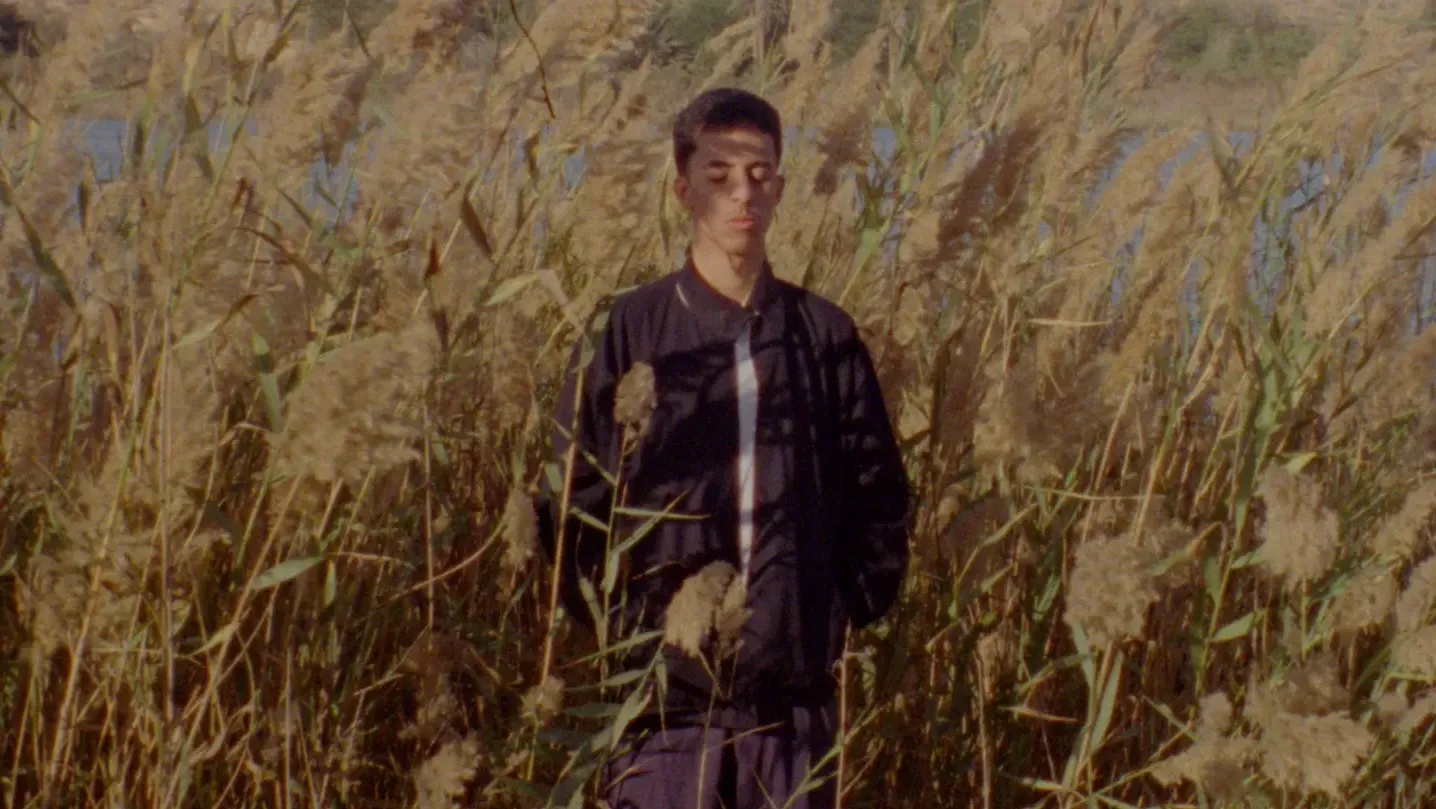
European archival footage from the 1950s documents the life of indigenous, nomadic Sahrawi children and youth in Western Sahara / Morocco. Seventy years later, local young people from Laayoune (El Aaiún) revisit locations that may have appeared in the footage. From ocean to desert to oasis, under trembling starlight, they share their thoughts on life, dreams, and utopia as they search for an uncertain upstream. Official Selection BFI London Film Festival 2026
 Landscapes of Shame
Director: Patrick Hough
Year: 2026
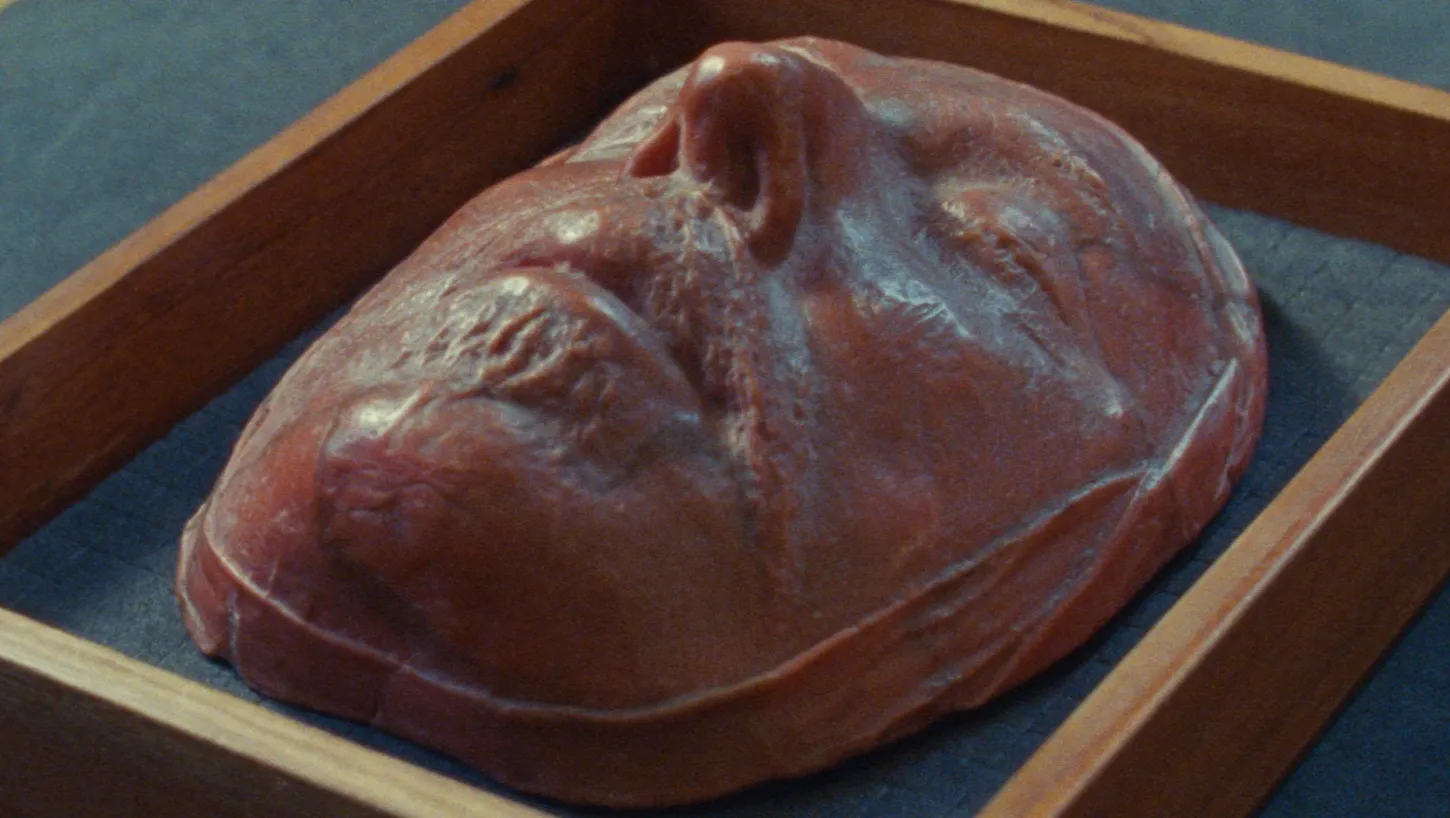
Filmmaker Patrick Hough journeys through the haunted landscapes of Ireland, where colonial violence, ecological loss and queer desire remain inscribed in the land. Moving between forests, mountains, archives and cruising grounds, the film traces the extinction of the Irish grey wolf alongside the cultural suppression that followed Cromwellian conquest of Ireland. Fragments of history surface through objects and places: a death mask of Oliver Cromwell, medieval myths of werewolves, maps drawn to measure and divide conquered territory, and landscapes where wolves were once hunted to disappearance. These materials are interwoven with contemporary nocturnal scenes of queer gathering and protest, where shame gives way to transformation, pleasure and resistance. Blending essay film, documentary and poetic fiction, LANDSCAPES OF SHAME asks how violence survives in landscapes, language and bodies - and what forms of wildness still remain. Official Selection BFI London Film Festival 2026