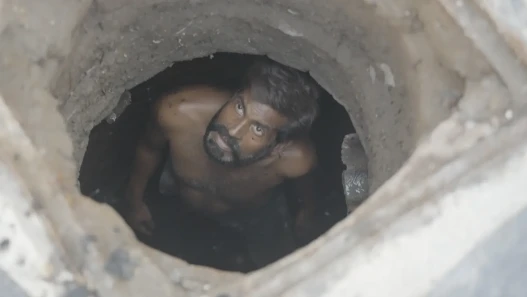
Riaz Masih is a 51-year-old Christian sewer worker living in Lahore, Pakistan. Despite systemic discrimination and working for a pittance, he is determined, with the support of his wife Zarina, to educate their four children. After 27 years of informal labour, Riaz finally secures a job with the city sanitation department and makes the rare decision to take out life insurance.
His children show great promise. Sahil dreams of becoming a civil servant, while Mehek earns a scholarship to Punjab College. Their younger children, Rahul and Manahil, are deaf and mute and each excels in their own way. Through his school, Rahul is exposed to a more affluent world, as many of his classmates come from influential families. Sometimes labelled a bully at school and in his neighbourhood, his emotional and moral development becomes a key thread of the story.
Riaz, whose own father only completed secondary school, dreams of seeing his children graduate from university and transform the family’s future.
The documentary follows Sahil’s gap year after disappointing exam results and explores family tensions, including Mehek running away from home and leaving school. The film exposes the entrenched caste and religious privilege that marginalises Christian Dalits in Pakistan.
How do we remember the past when our history has been faked?
One man’s idea to rebuild a capital on the foundations of an unfinished city erased a collective memory, casting a dark shadow over Skopje's future identity.
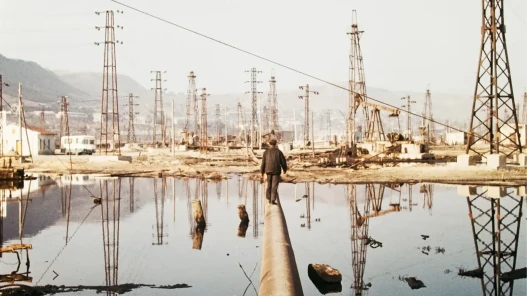
An all-archival film which tells the story of the Baku-Tbilisi-Ceyhan pipeline - one of the most ambitious energy projects of the 21st Century - and the scientists, activists, and farmers that came close to stopping it. Part ghost story, part road trip film, the feature documentary examines how the ghosts of the empire haunt the present, as the world burns.
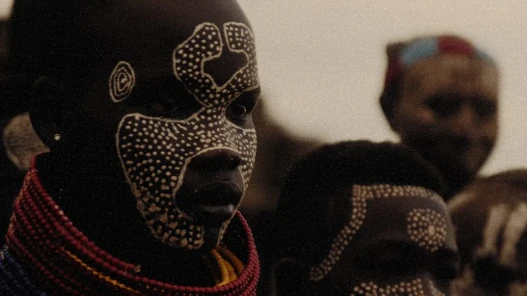
Set across Kenya, a cinematic documentary that immerses the viewer in a world where ancestry and progress coexist in tension.
In the rural heartlands, a tribal community embodies heritage through agriculture ritual and craft.
In Mombasa, a young professional works at the intersection of technology and evolving infrastructure, facing constant change.
A school student balances home and classroom life while imagining a future shaped by tradition and opportunity.
Filmed in a 'fly-on-the-wall' style, without narration or talking heads, the film unfolds through observation: the pounding of grain, the rush of traffic, the laughter of children, the silence of ceremony. By weaving these strands together, TIPPING POINT asks a quietly profound question: At this cultural and economic crossroads, what does well-being mean, and is happiness being redefined?
Passion Pictures (Passion Docs) is producing a feature-length documentary about Air India Flight 171 that crashed on June 12, 2025. We are working closely with some of the families impacted by the tragedy to tell the story of what happened that day and what life has been like since.
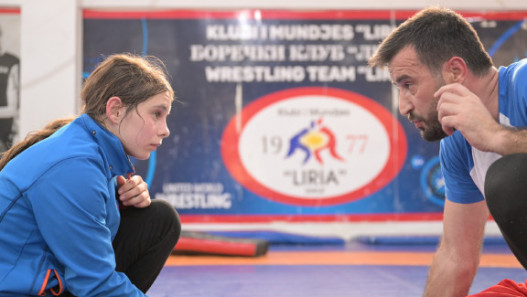
An observational coming-of-age documentary about Sadije Dura, a 14-year-old Albanian wrestler, looking for independence in a destiny shaped by everyone else around her.
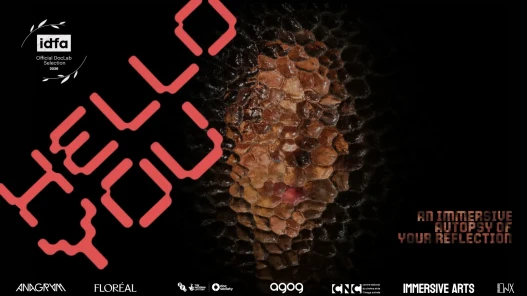
Hello You is an autopsy of your reflection. This mirror has two sides: one that observes, and another that follows. Exploring stories of altered perception, from phantom limbs to the feeling of being a stranger in your own body, the experience stretches the split-second act of self-recognition into something you can watch unfold. Here you are asked not to look at yourself, but at the lenses through which you look.
How Stanley Kubrick’s 2001 A SPACE ODYSSEY revolutionized science fiction cinema through groundbreaking visual effects, innovative storytelling, and profound themes about human evolution and technology.
In the summer of 1997, two 19 year old lovers set out from the Birmingham suburbs in a classic car. Their destination: the grave of Nick Drake, whose music had become a shared language between them and a comfort for their unacknowledged pain.
This journey, captured in memory and reimagined on screen, becomes a meditation on youth,
longing, and the quiet power of music to shape identity and connection where deeply hidden
vulnerabilities can be shared.
Interwoven with this personal narrative are intimate audio interviews with artists from different
generations who reflect on how Drake’s music shaped their lives and creative paths. Their
insights echo and deepen the emotional terrain of the road trip, creating a layered portrait of
influence, absence, and resonance.