Lost Souls, Swimming in a Fish Bowl is a silent documentary about the invisible territories of depression, isolation, memory, and the fragile act of continuing to live.
There are people who move through the world every day while feeling as though they exist behind glass. They work, walk, eat, sleep, smile, and disappear into crowds—yet remain suspended within an interior world that no one else can enter. The film observes these fractured states without explanation, diagnosis, or spoken testimony.
Instead, silence becomes the language of the film.
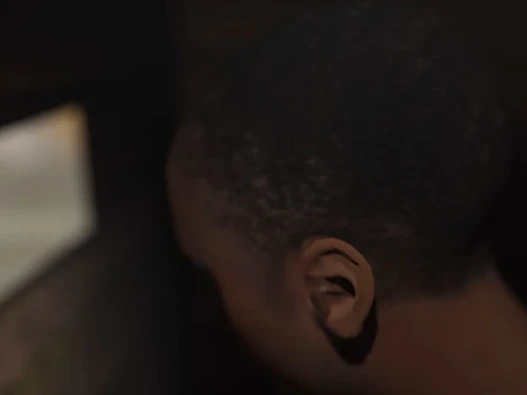
Through faces, bodies, empty rooms, urban landscapes, found footage, archival fragments, photographs, gestures, objects, and moments of stillness, Lost Souls, Swimming in a Fish Bowl enters the psychological geography of people who feel trapped inside themselves. The fish bowl becomes both metaphor and physical space: transparent enough to see the world outside, yet impossible to escape.
Grieving the loss of his husband, a reclusive composer is thrust into an unlikely new family - a tough nurse, her sharp 10-year-old daughter, and the autistic gardener who saved him - forcing him to rediscover life through unexpected bonds.
Brothers Thomas and Sam have nothing in common, except that they play Dungeons & Dragons with their friends. Each week they escape into a fantasy world. Over four years, the group grow up and move on but Thomas, the Dungeon Master, refuses to let go.
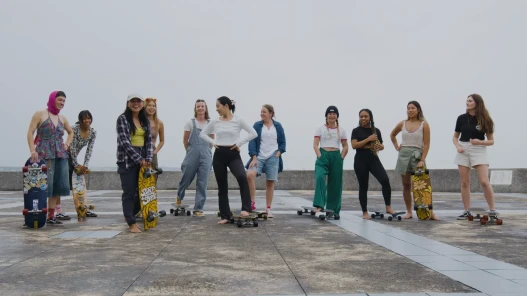
In Japan, a culture shaped by restraint and social uniformity, skateboarding has long existed at the margins - regulated, discouraged, and only now tentatively embraced. SKATE IN JAPAN observes this contested space with quiet precision, tracing a community that finds freedom through movement, expression, and play.
Moving between street spots, domestic interiors and the shifting landscapes of Kyoto, the film approaches skateboarding as both a personal and collective language. In the fluid, almost choreographic movement of skater Issei Morinaka, it reveals an expression that resists containment, fleeting, yet deeply felt.
At its centre are individuals whose lives have unfolded at the edges of visibility. Homoro, a skate shop-owner whose own practice has been altered by injury, supports a younger generation of Boardwalk skaters. Alongside him is Caba, a once-renowned figure whose life was transformed by disability, and Hide, who leads efforts to realise a long-awaited public skatepark.
As the skatepark takes shape in Kyoto, it marks a subtle cultural negotiation between tradition and change. Accompanied by an original score, the film unfolds as a quiet meditation on time, belonging and the persistence of identity.
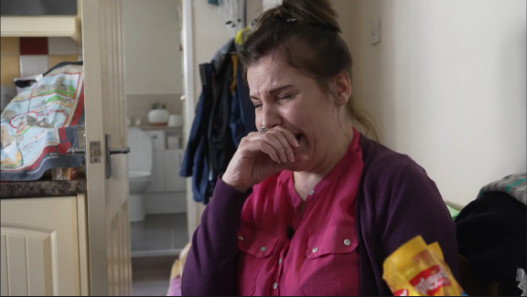
WHAT ABOUT GARY is a raw and emotive documentary that delves into the tragic consequences of misinformation, exploring how conspiracy theories led to the death of Gary Matthews from Covid-19. The film intimately portrays the profound grief of Gary's family and friends as they grapple with this senseless loss.
Director Tristan Copeland, Gary's cousin, questions the purveyors of these falsehoods, driven by a need to understand why they ensnared Gary. Through vérité footage, archival materials, and Gary's own paintings, the film explores Gary’s descent into a distorted reality, seeking the root causes of his susceptibility to misinformation.
Shot during the pandemic in Shrewsbury, England, WHAT ABOUT GARY captures the isolation that made many, including Gary, vulnerable to manipulation. With kinetic editing, evocative camera work, and a poignant score, the film examines how society failed to protect its citizens from misinformation.
A potentially controversial yet vital work that questions how conspiracy theorists wield such influence and whether others can be saved from similar fates. A cautionary tale for a world grappling with truth in the digital age, and a tribute to a life tragically cut short, driven by a need to understand why.
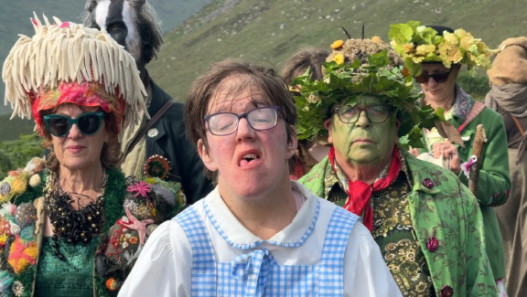
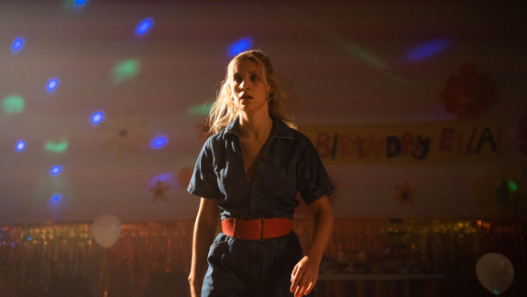
A film that hovers above the make-believe world of hope. Eden Kotting, dressed as Dorothy from The Wizard of Oz takes us on a journey from The Factory to The Silent Valley. Accompanied by a gaggle of folkloricists and workers in white coats the journey ends in The Toilet of Hope.
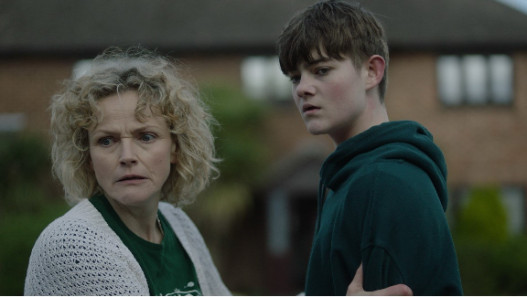
Fifteen-year-old Jamie lives with his peace activist mum in an army town in England, where they suffer prejudice due to their anti-war beliefs and activism.
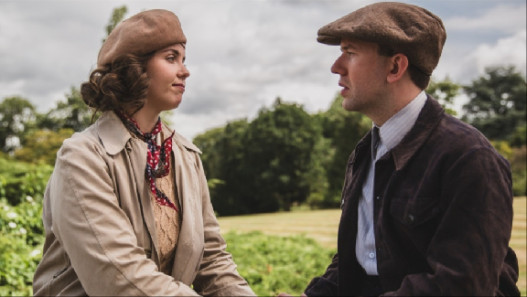
THE LETTER follows the struggle of deaf people who fought back against Nazis’ oppression during World War Two. It tells the story of a deaf regiment of stormtroopers, and charts the rise of the Nazi-ruled social org for deaf people (Reich Union of the Deaf of Germany).
The story is based on true events with fictionalised characters. "Deaf people like the ones in ‘The Letter’ were really at the forefront of the Nazi euthanasia machine, Nazis were so ruthlessly efficient at exterminating deaf and disabled people that a lot of stories were lost.” Justin Edgar
THE LETTER was produced by Justin Edgar, who is hard of hearing, and directed by Sam Dore, with an entire cast and crew of deaf artists.